COMMERCIAL RESTORATION & MITIGATION

Property damage disrupts more than a building. It disrupts the work inside it.

Arkansas Mold & Water helps businesses, facilities, municipalities, and property professionals respond to water damage and mold concerns with a clear plan, controlled work practices, professional drying and remediation, and documentation that keeps stakeholders informed.

24/7 Water Response Commercial & Municipal Work IICRC Standards Clear Documentation

IICRC Certified Firm

Master Water Restorer

Arkansas Qualified Vendor

Founder-Led Since 2014

Different buildings require different restoration plans.

Commercial response begins by understanding how the property is used, who depends on it, and which spaces must be protected first.

01

Businesses & Retail

Customer-facing areas, inventory, fixtures, offices, and back-of-house operations considered in the mitigation plan.

02

Municipal & Public Facilities

Structured communication, documented work, and coordination for public-serving properties.

03

Schools, Auditoriums & Athletic Spaces

Large rooms, specialized finishes, seating, stages, flooring, and scheduled facility use.

04

Clinics & Veterinary Workspaces

Containment and work-zone planning for sensitive, occupied, or specialized environments.

05

Managed & Occupied Properties

Coordination with owners, managers, tenants, maintenance teams, and outside contractors.

06

Large & Special-Use Facilities

Scalable equipment, supervised resources, and a scope shaped around the building and loss conditions.

One response plan from initial stabilization through documented completion.

The work is organized around the condition of the property—not a one-size-fits-all package.

EMERGENCY WATER

Extraction & Structural Drying

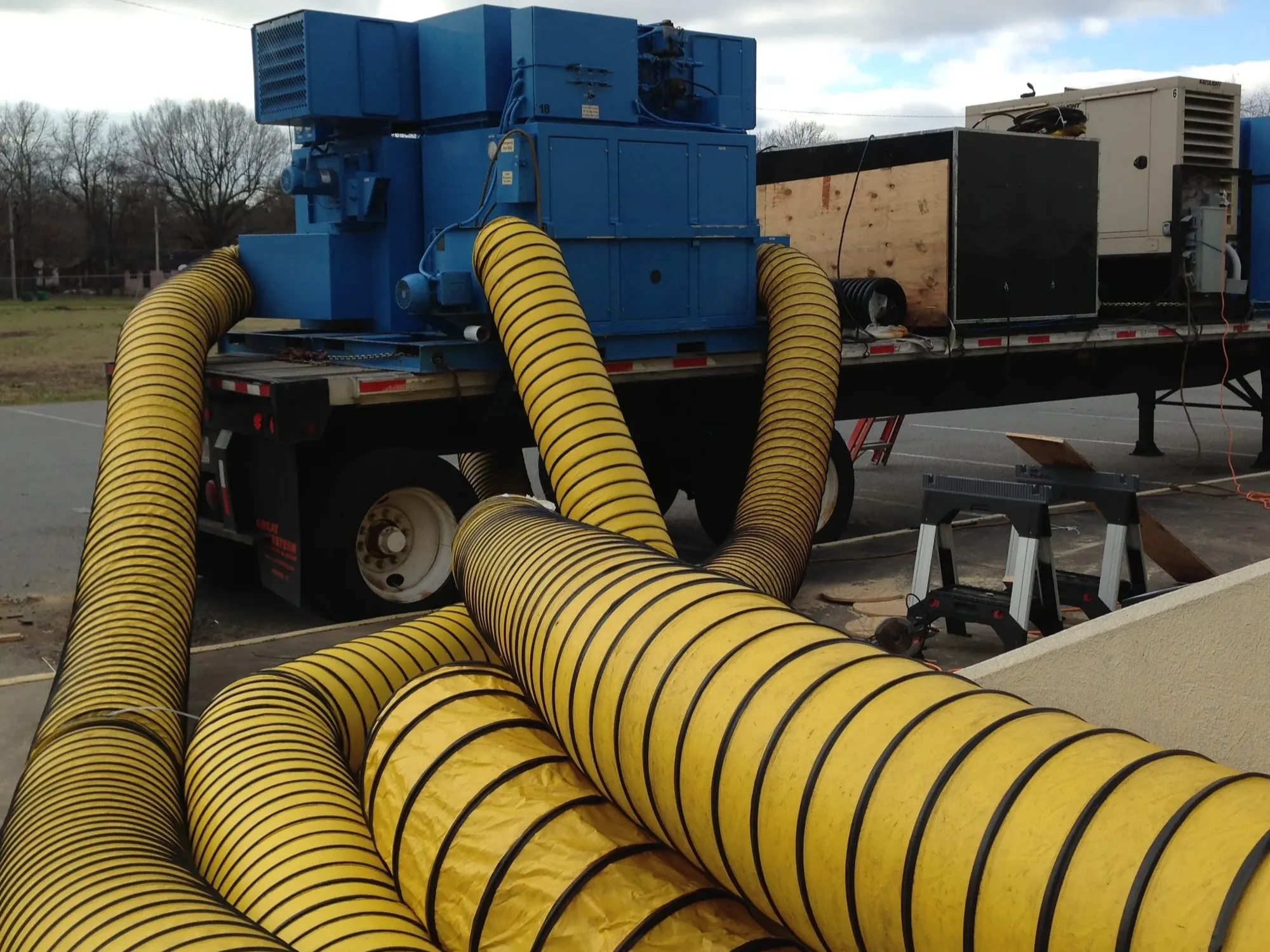
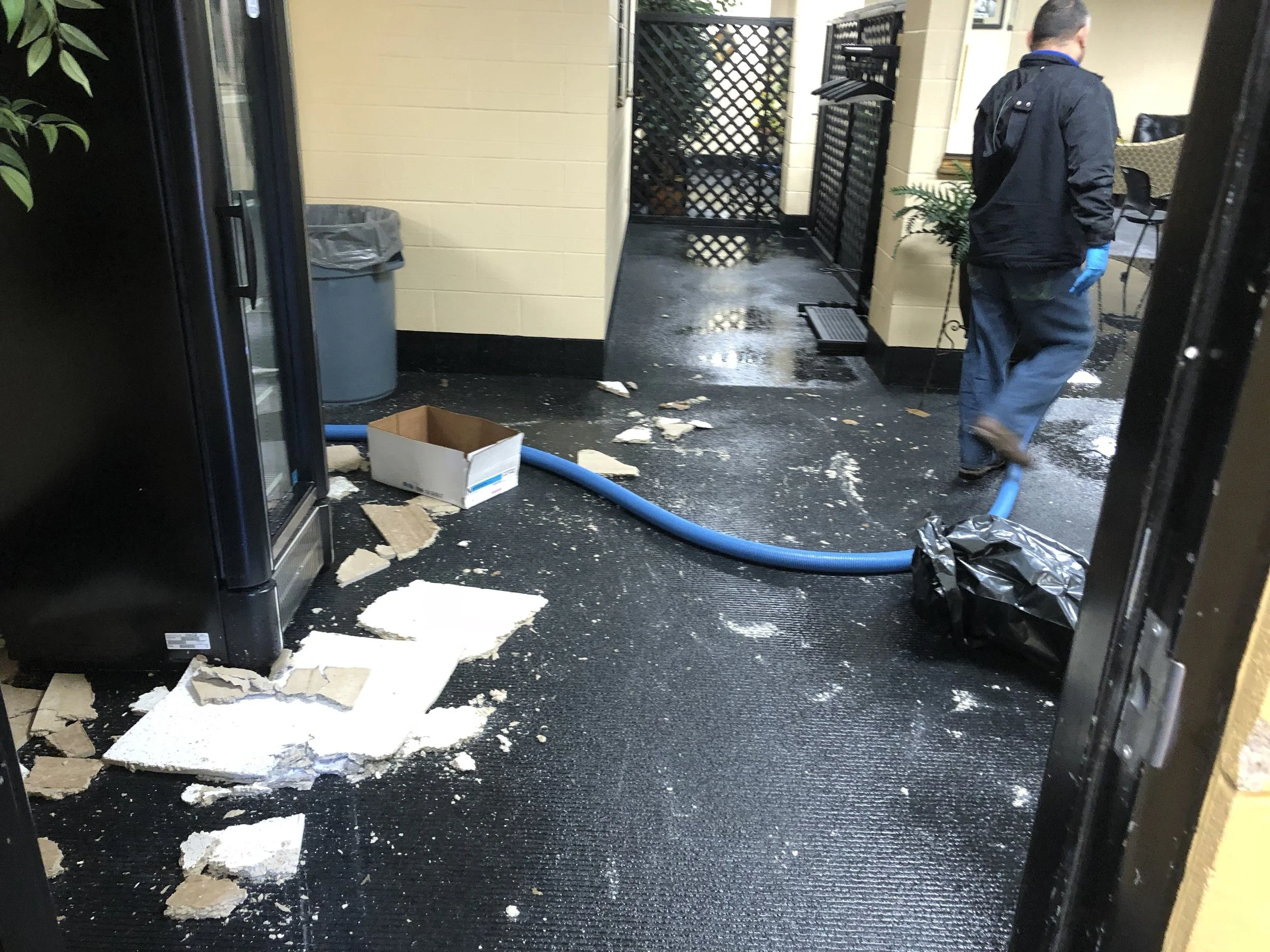
Visible and subsurface water removal, humidity control, professional drying equipment, and monitored progress.

MOISTURE INTELLIGENCE

Detection & Mapping

Moisture readings and infrared tools help identify migration beyond the obvious surface damage.

MOLD SERVICES

Containment & Remediation

Scheduled evaluation, controlled work areas, affected-material removal, cleaning, filtration, and moisture-focused planning.

PROJECT RECORDS

Documentation & Communication

Photos, readings, equipment placement, work notes, and scope communication for property and insurance stakeholders.

A clear sequence reduces confusion during a complex loss.

The exact scope changes with the building and damage, but accountability should remain consistent.

01 · CALL

Gather Priorities

Location, source, affected areas, property use, access, hazards, and operational concerns.

02 · ASSESS

Document Conditions

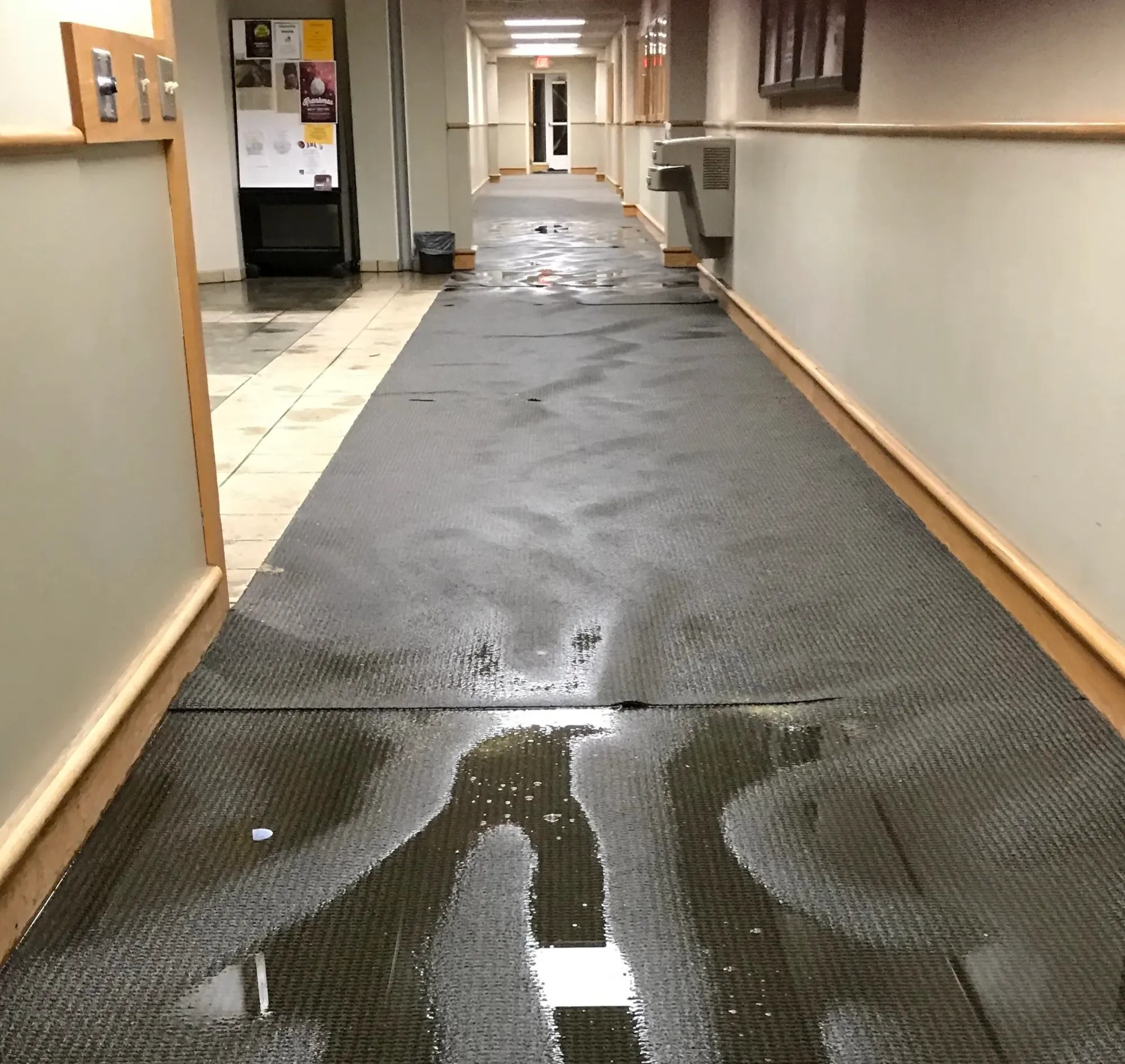
Visible damage, moisture spread, materials, critical spaces, and immediate stabilization needs.

03 · CONTROL

Limit Further Damage

Extraction, containment, environmental control, and protection of unaffected areas.

04 · RESTORE

Dry or Remediate

Equipment, removal, cleaning, treatment, monitoring, and adjustments as conditions change.

05 · REPORT

Communicate Progress

Project records and updates that help owners, managers, and other stakeholders stay aligned.

Restoration work must fit the building—not overwhelm it.

Commercial properties may remain partly occupied while mitigation or remediation is underway. Work-zone planning can help separate affected areas, organize equipment and access, and reduce unnecessary disruption.

When circumstances allow, the project can be coordinated around operating hours, critical rooms, occupant routes, and the needs of other contractors or facility personnel.

Local accountability with additional capacity when the loss requires it.

In-House

Direct Project Management

The company reports that most water and mold assignments are managed by its own team.

Scaled

Large-Loss Support

For larger assignments, additional trusted subcontractor resources can be brought in and supervised.

Local

One Accountable Contact

A Central Arkansas company remains close to project decisions, communication, and follow-through.

Commercial decisions need a clear project record.

A property owner, facility manager, tenant, insurance representative, and outside contractor may each need different information. Consistent documentation helps the project remain understandable as work progresses.

Initial and Progress Photos

Visible conditions and work progression recorded throughout the assignment.

Moisture Readings

Measurements used to evaluate affected materials and drying progress.

Equipment & Monitoring Records

Placement, environmental control, monitoring, and project adjustments documented.

Scope Communication

Clear explanations of work performed, changes, and next steps.

When the building supports your operation, the response must support both.

For active commercial water damage, call immediately. For planned mold, moisture, or remediation services, contact Arkansas Mold & Water to discuss the property and next steps.