Find the source
If the source is obvious and safe to access, identify where the water is coming from: pipes, appliances, water heaters, roof leaks, or exterior intrusion.
WATER DAMAGE MITIGATION
A burst pipe, leaking appliance, storm intrusion, or plumbing failure can move quickly through a property. Arkansas Mold & Water responds with professional mitigation, moisture control, and clear communication.
WHAT TO DO FIRST
If the source is obvious and safe to access, identify where the water is coming from: pipes, appliances, water heaters, roof leaks, or exterior intrusion.
Turn off the water at the shut-off valve, service line, or outside meter if needed. Avoid standing water if electrical hazards may be present.
If the leak is from a plumbing line, fixture, or water system, contact a licensed plumber to repair the source of the problem.
Once the source is controlled, or while repairs are being arranged, call us so mitigation can begin and additional damage can be reduced.
PROFESSIONAL MITIGATION
Even after visible water is removed, moisture can remain trapped inside flooring, baseboards, drywall, insulation, cabinets, and structural materials. If not addressed properly, that hidden moisture can lead to secondary damage, material deterioration, odors, and mold growth.
Arkansas Mold & Water manages water damage losses using professional equipment, moisture detection, and industry-recognized drying methods.
INDUSTRY STANDARD
We use professional mitigation practices to extract water, control humidity, dry affected materials, monitor progress, and document the work performed.
WATER LOSS CATEGORIES
CATEGORY 1
Clean water typically comes from sources such as supply lines or certain appliance leaks. Even clean water can become more serious if it sits too long or spreads into building materials.
CATEGORY 2
Grey water may contain contaminants and requires additional care. This can include certain appliance discharges, toilet overflows without sewage, or water affected by materials it contacts.
CATEGORY 3
Black water is highly contaminated and may involve sewage, floodwater, or other hazardous sources. These losses require careful handling and proper remediation procedures.
OUR MITIGATION PROCESS
We gather details, determine urgency, and help you understand immediate next steps.
We inspect affected areas, identify moisture concerns, and evaluate the water category.
We remove visible and sub-surface water using professional extraction equipment.
We reduce excess humidity and help limit moisture movement through the structure.
We use drying equipment and scientific methods to dry affected materials and contents.
We monitor drying progress and provide updates until mitigation is complete.
We document the work performed and provide information that may support your claim.
WHY FAST MITIGATION MATTERS
As a property owner or insured policyholder, you are generally expected to take reasonable steps to prevent additional damage after a water loss. This is called mitigation.
Calling a professional water mitigation company quickly can help protect your property, reduce the chance of secondary damage, and create a clearer record of the steps taken after the loss.
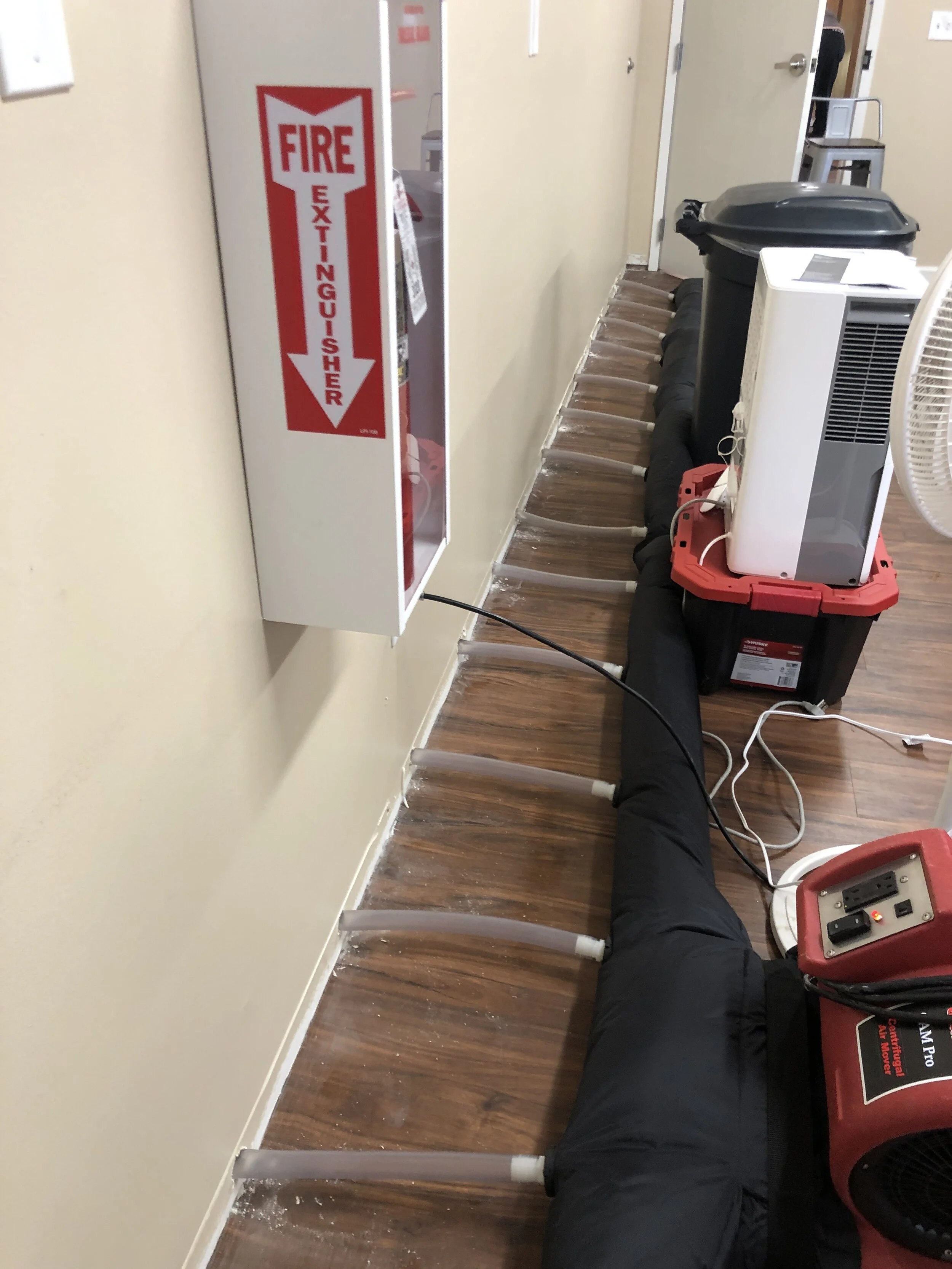
Wet materials should be addressed quickly because mold growth becomes more likely when moisture remains.
Different materials hold moisture differently, so drying strategy should match the affected area.
Drying checks help show whether affected materials are responding over time.
SELECTED WATER RESTORATION WORK
A look at selected water mitigation and structural drying projects. Locations and identifying details may be omitted or generalized for client privacy.
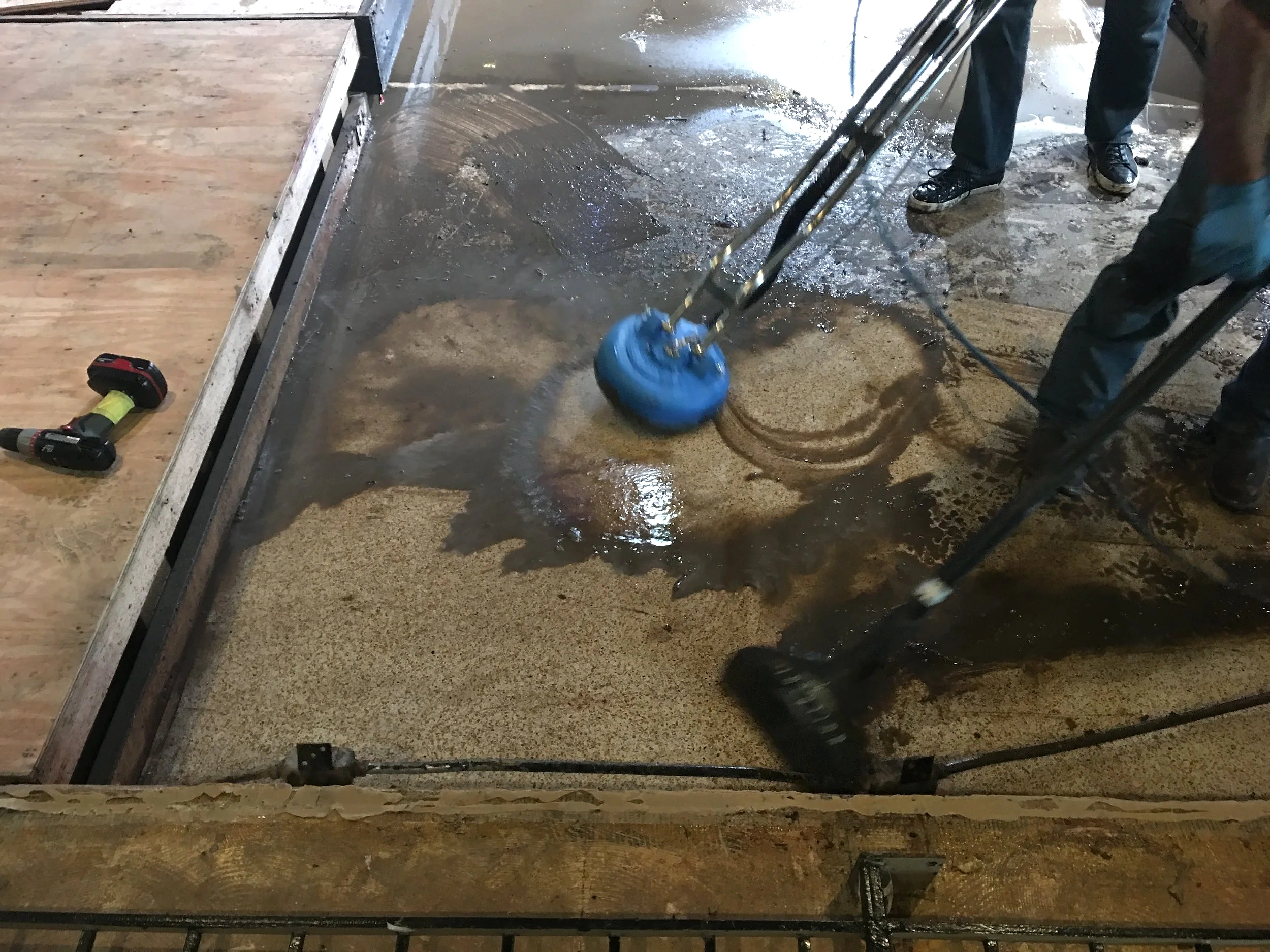
Standing water and sediment removed before detailed cleaning and structural drying.
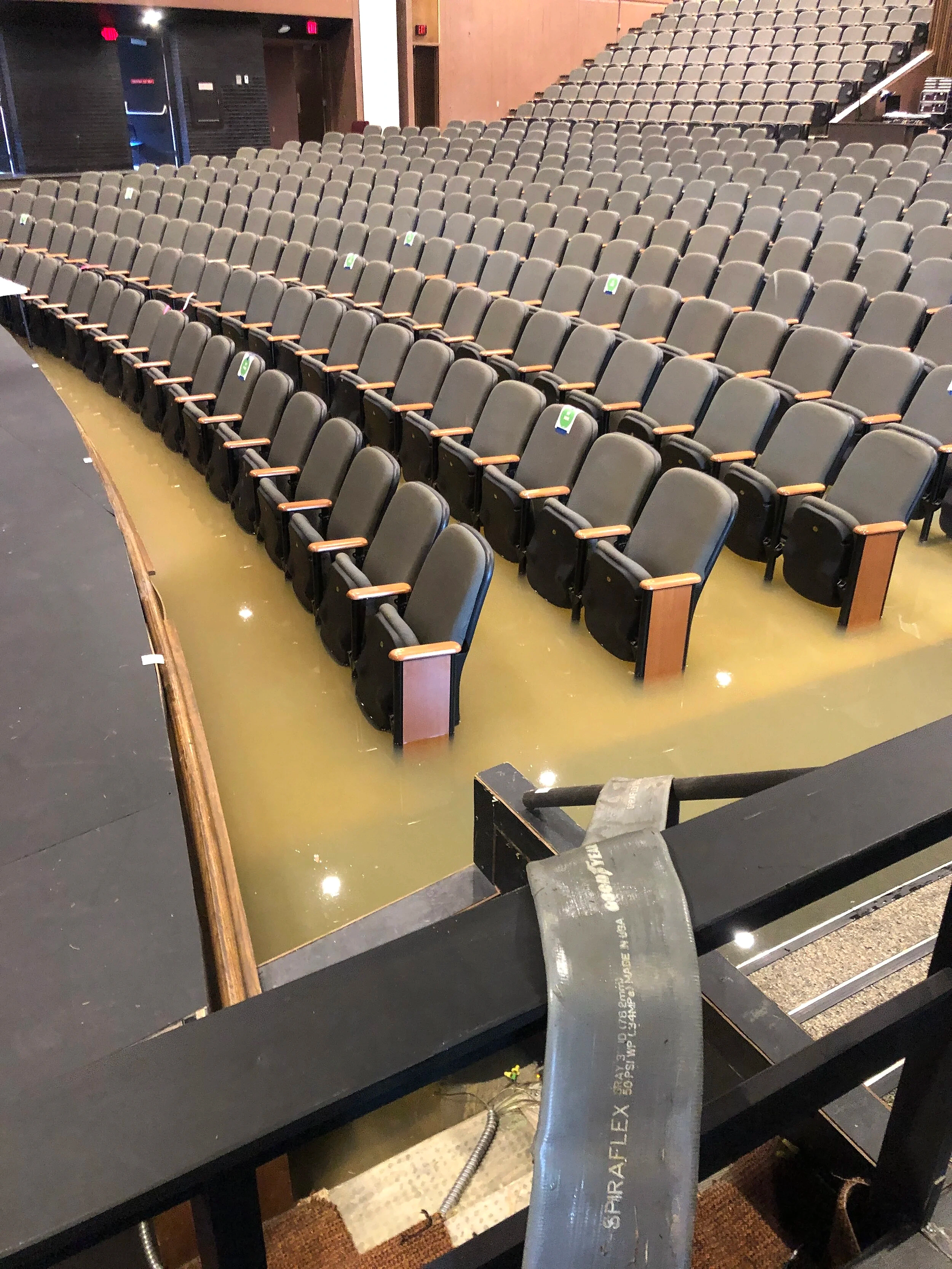
Active water diverted and contained to help protect seating and interior finishes.
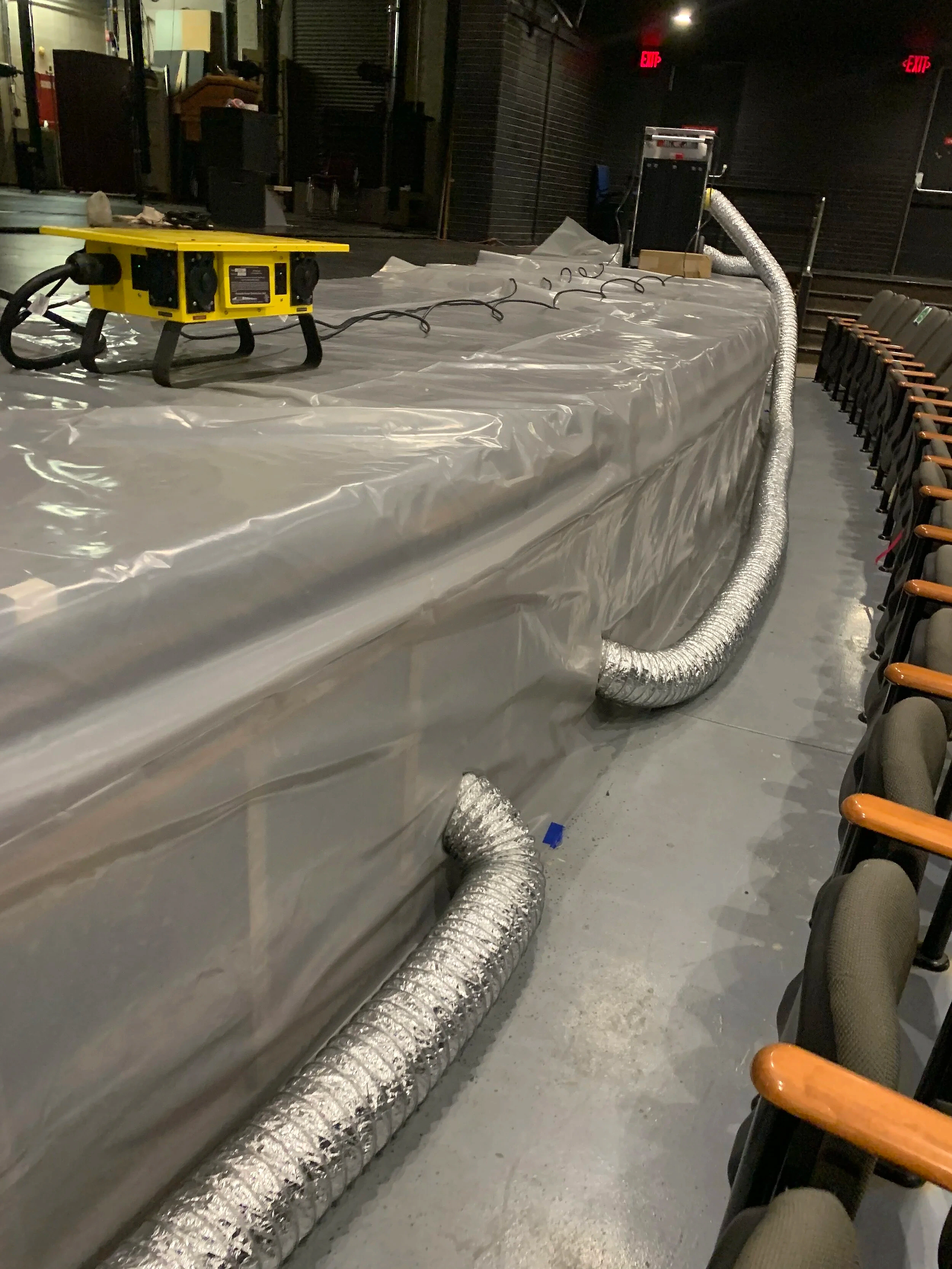
Temporary containment and ducted drying equipment installed across a large occupied space.
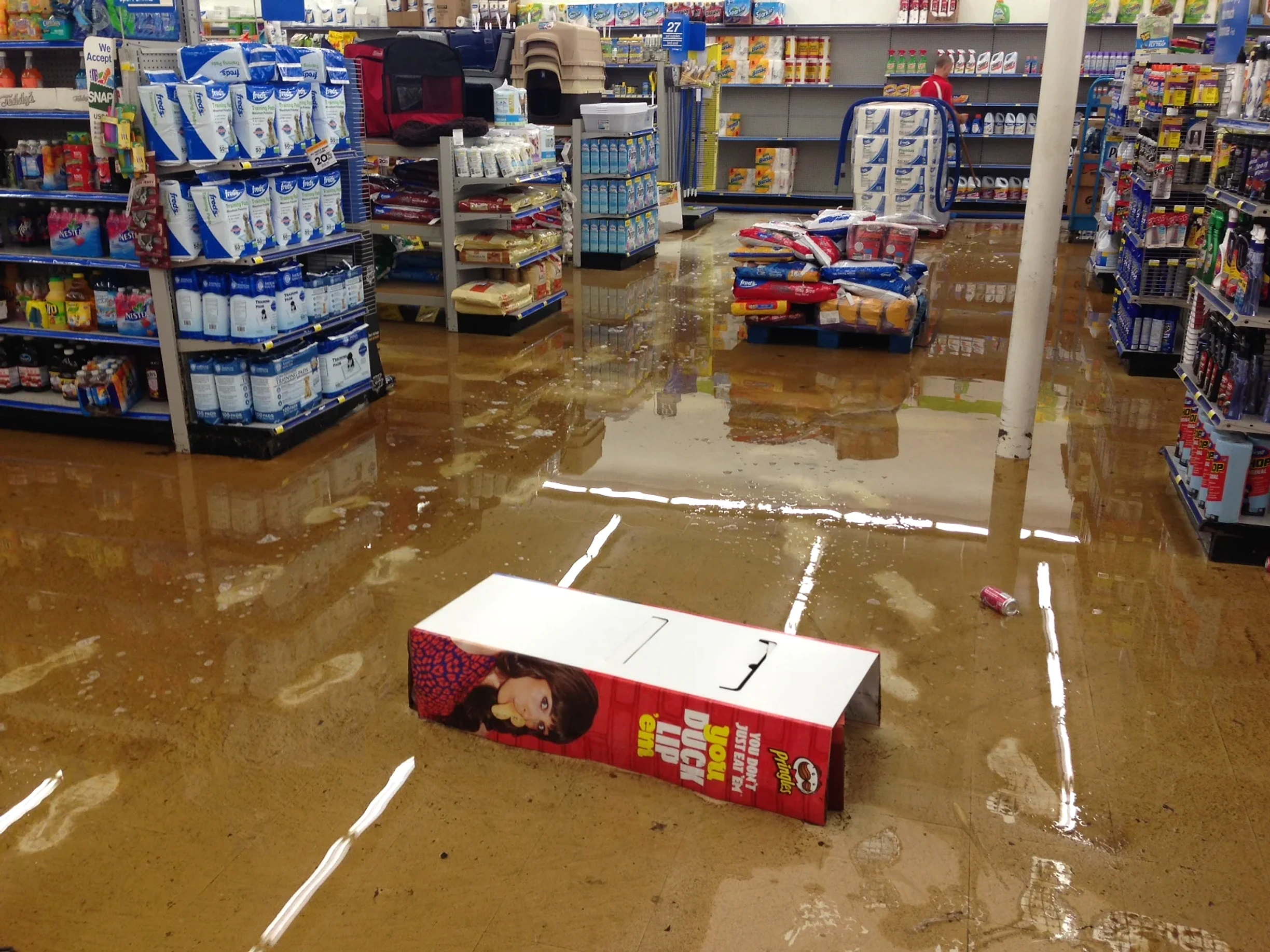
A retail water loss documented before extraction, controlled cleanup, and sanitation.
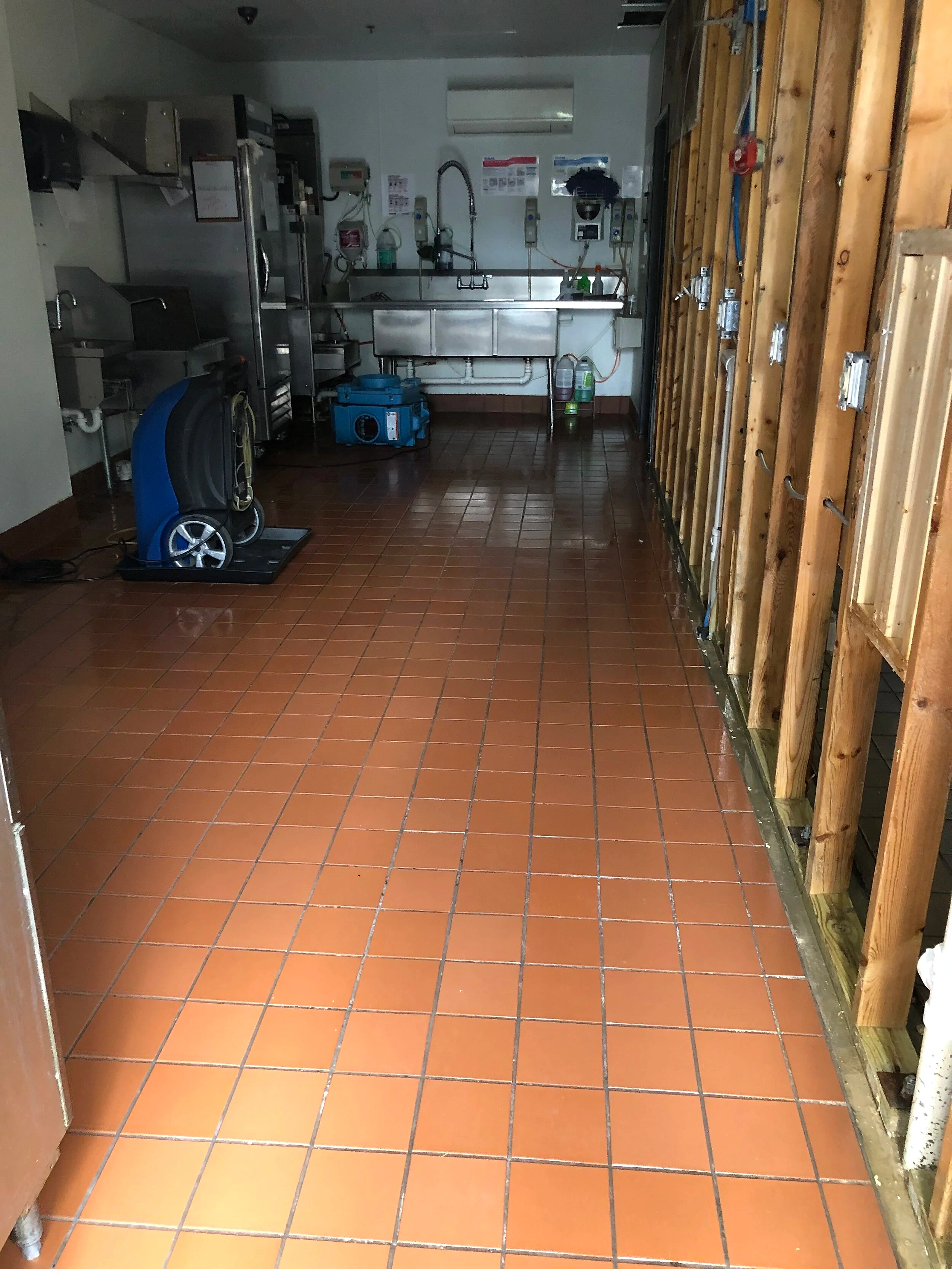
Air movers and dehumidification equipment positioned throughout the affected area.
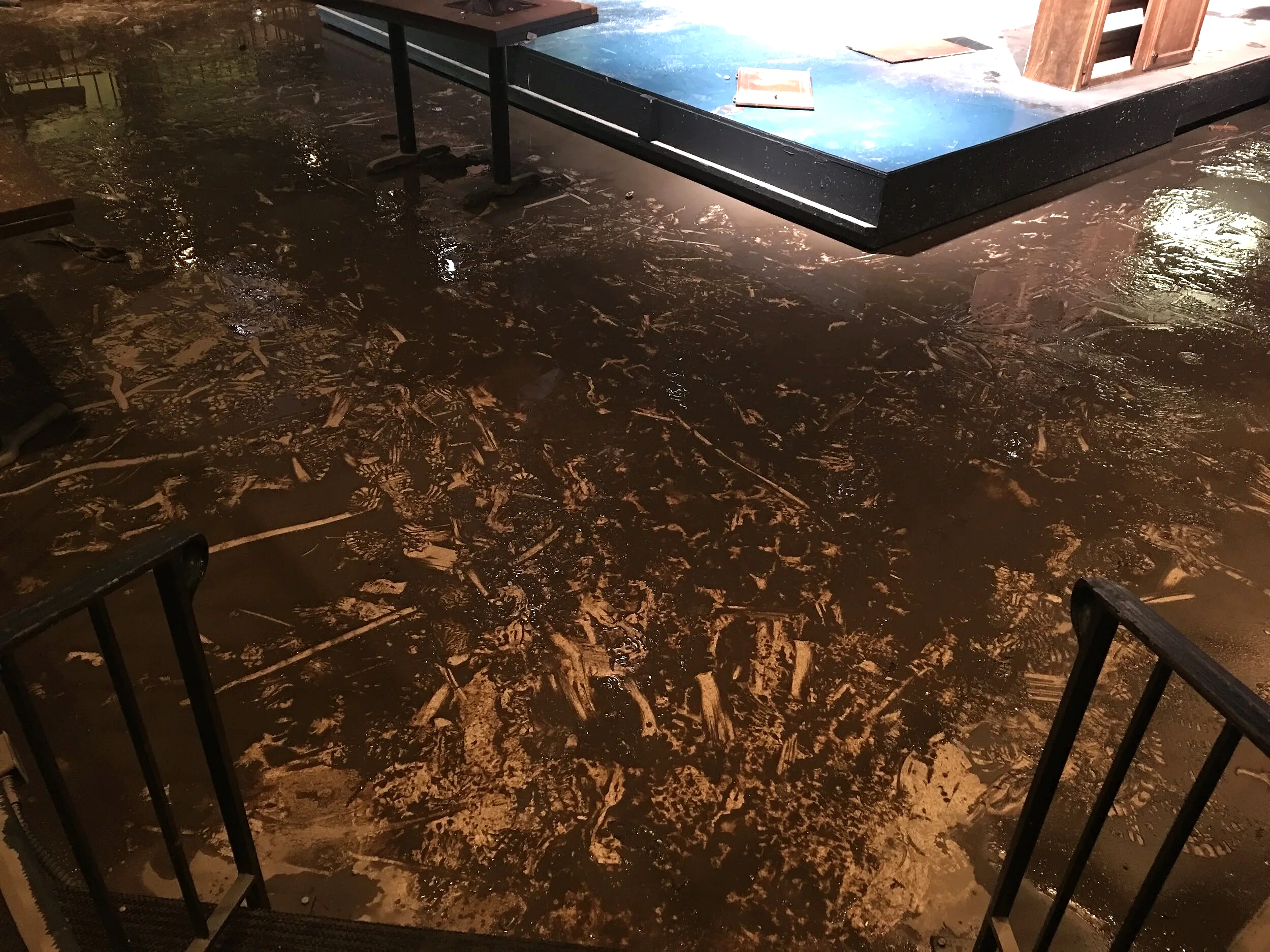
Mud and floodwater documented before extraction, cleaning, and drying began.
Water damage can happen at any time — nights, weekends, holidays, and moments you least expect it. Arkansas Mold & Water is here to help when urgent water damage threatens your home or business.
Professional water damage mitigation, structural drying, mold remediation, and moisture control for Central Arkansas properties.